Client Name
Greater Victoria Harbour Authority (GVHA)
Industry
Marine Port
Location
Victoria BC
Client Size
Large
Website
Challenge
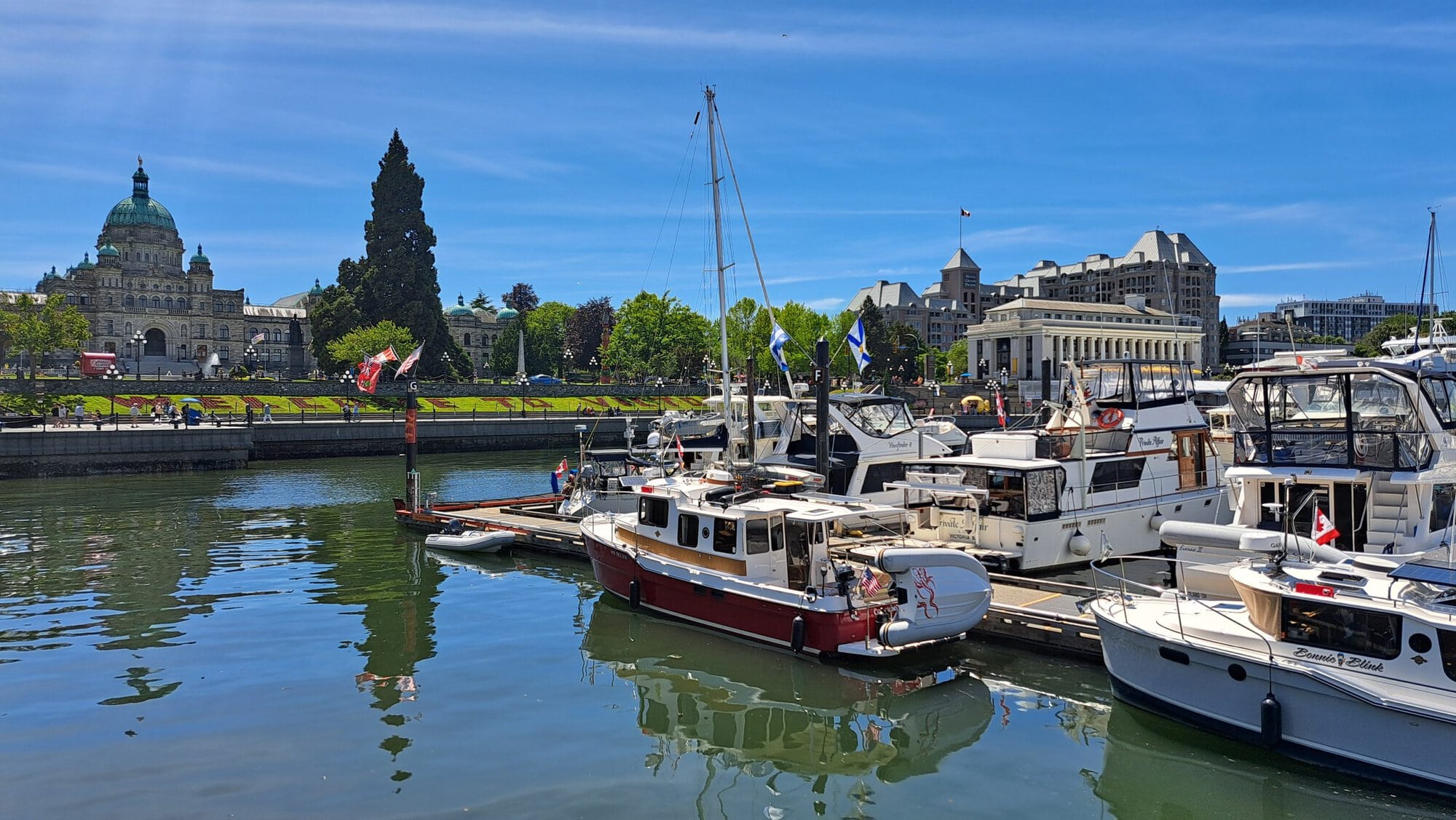
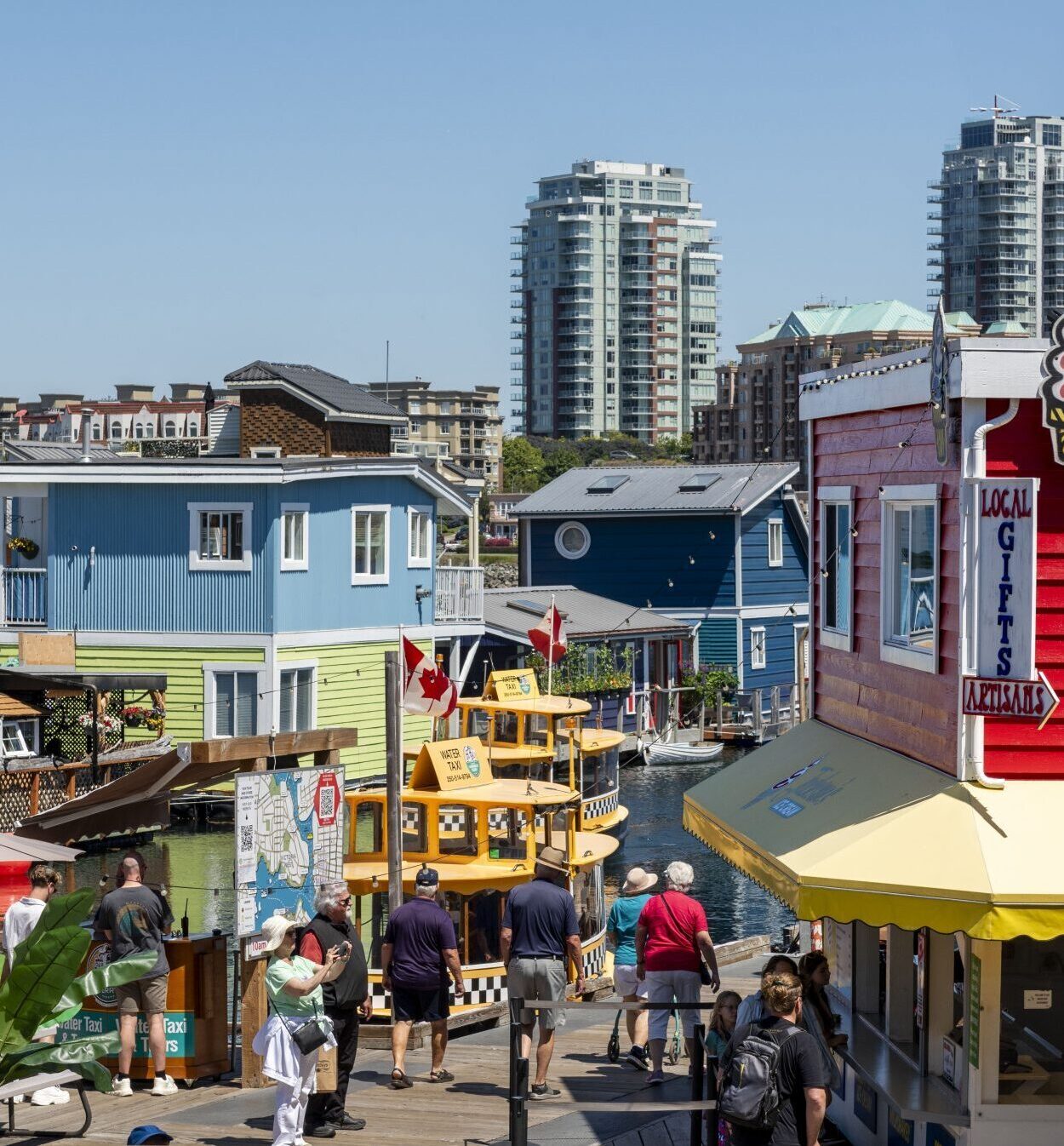
The Greater Victoria Harbour Authority (GVHA) is a not-for-profit organization based in Victoria, B.C., managing 110 acres of waterfront across 11 properties from the Breakwater District at Ogden Point to Fisherman’s Wharf and the Inner Harbour Marina. GVHA is accountable to eight member agencies, including the Songhees Nation and xʷsepsəm (Esquimalt) Nation, the Capital Regional District, and the City of Victoria.
GVHA has been committed to environmental stewardship and has been certified with Green Marine since 2010, holding a five-anchor Clean Marine BC rating and tracking GHG emissions from cruise activities for over a decade. Building on this strong foundation, GVHA wanted an overarching sustainability framework to give the organization a clear, unified direction.
GVHA wanted to define what sustainability means to the organization, what climate action looks like in day-to-day operations, and most importantly, ensure sustainability is embraced organization-wide.
Synergy’s Solution
Building the Foundation
To build a comprehensive sustainability plan from within the organization, Synergy started by delivering tailored sustainability, ESG, and climate governance training to GVHA’s board and leadership team. This ensured that organizational decision-makers shared a common understanding of what sustainability means in a governance context.
From there, Synergy facilitated a series of workshops with GVHA staff across the organization. These sessions were collaborative as the team developed GVHA’s sustainability definition, agreed on the plan’s focus areas, and shaped the targets to pursue. Synergy’s team worked closely with GVHA’s Sustainability Manager, Rowan Benning, to ensure the insights that emerged truly reflected the people who would carry this plan forward.
This work was crucial in developing a practical Sustainability Plan true to the organization’s values and ethos. Synergy’s role was to facilitate team engagement and develop these ideas into an actionable strategy.
Co-Creation During Development
Following the engagement phase, Synergy’s team transitioned to the development phase, building the report while maintaining a collaborative strategy. Synergy worked closely with Rowan Benning to translate workshop insights into a structured, actionable plan, going through multiple rounds of input and refinement until the document reflected exactly what the team had envisioned.
Throughout this process, Synergy conducted industry research to align the plan’s focus areas with federal, provincial, and local priorities, including Canada’s GHG Reduction Targets, the BC First Nations Climate Strategy, the World Port Sustainability Program (WPSP), and the sustainability frameworks of the Capital Regional District, City of Victoria, and Destination Greater Victoria. A key part of the process was distinguishing between what GVHA can directly control and influence and focusing targets on high-impact areas.
Implementation and Results
The outcome is a comprehensive, publicly available five-year sustainability plan organized around GVHA’s six focus areas:
- Climate Action: including a target to reduce Scope 1 and 2 GHG emissions by 30% by 2035 (from a 90 tCO2e baseline established in GVHA’s 2025 GHG inventory, completed by Synergy).
- Ecosystems, Wildlife & Biodiversity: focusing on advancing Green Marine certification levels and co-developing environmental initiatives with the Songhees Nation and xʷsepsəm (Esquimalt) Nation.
- Sustainable & Resilient Infrastructure: including a climate risk assessment and a renewable energy feasibility program.
- Waste Management & Circular Economy: starting with a waste audit and circular economy action plan.
- Education, Outreach & Engagement: committing to at least two community education events per year.
- Organizational Culture & Decision-Making: embedding sustainability into staff performance, procurement criteria, and capital spending decisions.
Each focus area contains an introduction to the topic, measurable targets developed through the workshops, key approaches for achieving these targets, and a timeline with effort and cost estimates mapped across the five-year period. Synergy worked with GVHA to ensure the effort required across the plan’s timeline was intentionally spread out, so implementation efforts remain consistently manageable.
This strategy, contained in an easy-to-read document, was delivered as a plan with real targets, initiatives, and timelines. It is a clear roadmap to achieve GVHA’s targets by 2030. By sharing this plan publicly, GVHA shows its ongoing commitment to sustainability and real climate action.
The plan is grounded in GVHA’s own definition of sustainability, developed collaboratively and now serving as its north star for all future sustainability decisions:
“Sustainability at Greater Victoria Harbour Authority is the integration of environmental stewardship, community interest, and economic development into everything we do—from daily operations to long-term planning and governance. A key part of this commitment is our dedication to Indigenous governance and partnership with the Songhees Nation and xʷsepsəm (Esquimalt) Nation, honouring their stewardship of the lands and waters and ensuring their leadership guides our path forward. We strive to create alignment between environmental leadership, economic resilience, and responsible growth, ensuring the harbour remains viable for generations to come.”
– Greater Victoria Harbour Authority Sustainability Plan 2026 – 2030
Key Takeaways
Start with Engagement
One of the most valuable early steps in this project was working with GVHA to articulate what sustainability means to their organization. Sustainability looks different for every organization, and trying to build a plan without that shared definition can make plans feel fragmented. Taking the time up front to educate and collaborate made the next steps more coherent and truer to the team’s vision.
Collaboration Is the Strategy
For a sustainability plan to be genuinely integrated into an organization, it cannot rest solely with the Sustainability Manager. It needs buy-in from the board, leadership, and team members. The best way to earn that buy-in is to involve everyone in shaping it. GVHA’s plan will be successful because the people responsible for implementing it helped build it. Synergy’s role was to facilitate the training and engagement sessions, conduct industry research, and write the plan, with the vision and intention coming from GVHA’s team.
Targets Must Be Specific and Measurable
Every target in GVHA’s plan was developed to be measurable, achievable, and realistic to accomplish within five years. Effort levels and high-level costs were mapped against each target to support prioritization and annual planning, and the workload was distributed across the five-year period to ensure nothing becomes overwhelming. Sustainability is a long game, and the plan reflects that.
Organization-Wide Sustainability
The most important insight from this project is that sustainability cannot be confined to one corner of an organization. GVHA’s plan explicitly addresses organizational culture and decision-making as a focus area, recognizing that lasting change requires sustainability to be woven into job descriptions, performance evaluations, procurement decisions, and capital spending. When sustainability is everyone’s responsibility, it becomes attainable.
This project reflects how a deeply collaborative approach to sustainability planning can help organizations move from good intentions to a clear, achievable roadmap. If your organization is looking to build a plan that fits your values and operational realities, contact us to get started.